Exploring Roof Replacement Financing Options
Embarking on the journey of roof replacement financing opens up a world of possibilities and considerations. From different financing options to key factors to ponder, this topic delves into the intricacies of securing financial assistance for your roofing project.
As we dive deeper into the nuances of roof replacement financing, readers will gain valuable insights into making informed decisions and navigating the financial landscape with confidence.
Roof replacement financing refers to the various options available for homeowners to fund the cost of replacing their roof. This type of financing can help spread out the expenses over time, making it more manageable for homeowners.
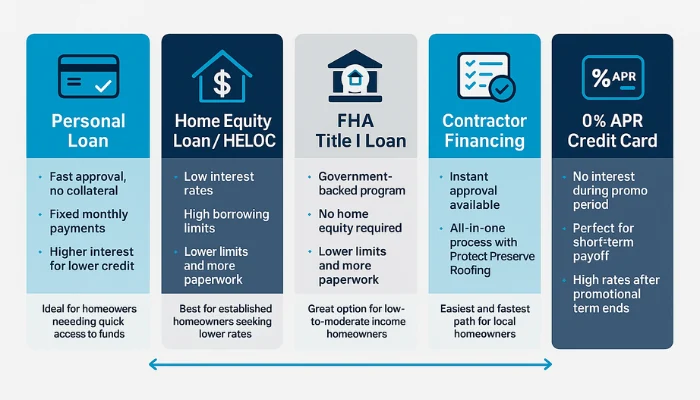
When it comes to financing a roof replacement, there are several options available to homeowners. Traditional loan options, government programs, home equity loans, and personal loans are some of the most common ways to cover the cost of a new roof.
Traditional loan options for roof replacement include personal loans, credit cards, and home improvement loans. Personal loans from banks or online lenders can provide a lump sum of money to cover the cost of the roof replacement. Credit cards can also be used for smaller projects, but they often come with high-interest rates.
Home improvement loans, such as FHA Title I Property Improvement Loans, are specifically designed for home renovation projects, including roof replacements.
There are several government programs that offer financing for roof replacements, especially for low-income households or those in disaster-prone areas. Programs like the Federal Housing Administration (FHA) Title I Property Improvement Loan Program and the USDA Rural Development Single Family Housing Repair Loans and Grants can provide financial assistance for roof replacements.
These programs typically offer low-interest rates and flexible repayment terms.
Home equity loans and personal loans are two popular options for financing a roof replacement. Home equity loans allow homeowners to borrow against the equity in their home, typically offering lower interest rates than personal loans. However, home equity loans require using your home as collateral, which can be risky if you are unable to make the payments.
Personal loans, on the other hand, do not require collateral but often come with higher interest rates. It’s essential to weigh the pros and cons of each option before deciding on the best financing method for your roof replacement project.
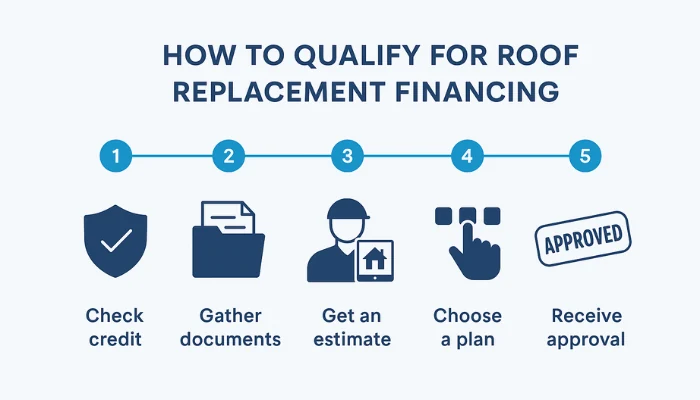
To qualify for roof replacement financing, there are several key factors to consider. One of the most important aspects is your credit score, as lenders often use this to assess your ability to repay the loan. Additionally, your income level will also play a significant role in determining the type of financing options available to you.
Your credit score is a crucial factor in securing financing for a roof replacement. Lenders use this information to evaluate your creditworthiness and determine the interest rate you will be offered. A higher credit score typically translates to better loan terms, such as lower interest rates and higher loan amounts.
Income requirements vary depending on the type of financing option you choose for your roof replacement. Some lenders may have minimum income thresholds to ensure that you can afford the monthly payments.
When it comes to applying for roof replacement financing, there are specific steps you need to follow to ensure a smooth process. From gathering the necessary documentation to understanding the timeline for approval, here is a guide to help you through the application process.
Once you have submitted your application and all the required documentation, the approval process usually takes a few days to a couple of weeks, depending on the lender. If approved, the funds are typically disbursed shortly after approval, either directly to the roofing company or to you, depending on the lender’s policies.
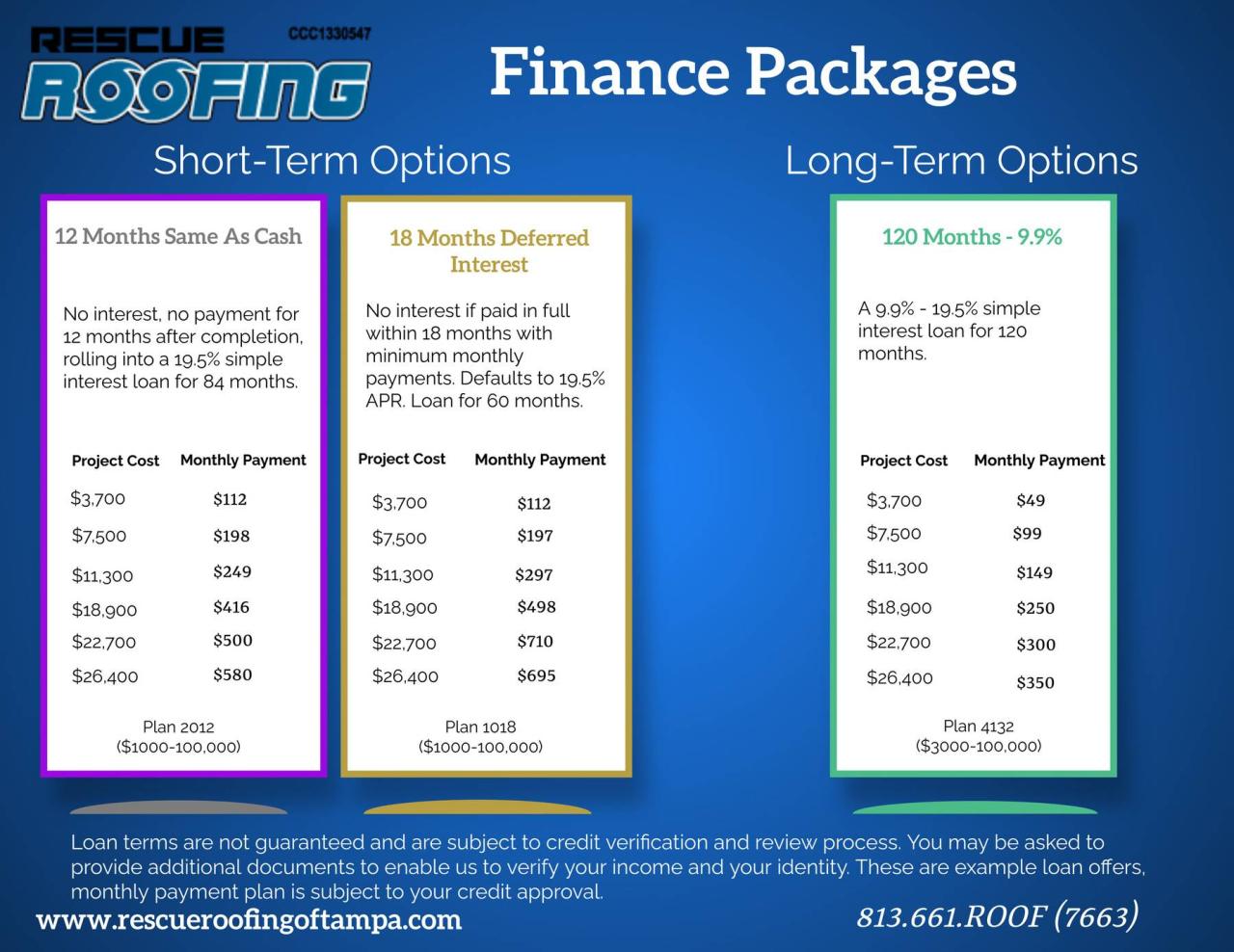
When considering financing options for a roof replacement, it is crucial to take into account various factors that can impact the overall cost and terms of the financing. Understanding these key considerations can help you make an informed decision that aligns with your financial goals and circumstances.
Financing a roof replacement comes with certain risks that need to be carefully evaluated. One of the primary risks is the potential for accruing high-interest charges over time, especially if the repayment term is extended. This can significantly increase the total cost of the roof replacement and may lead to financial strain in the long run.
Additionally, defaulting on loan payments can have serious consequences, including damage to your credit score and potential legal action by the lender.
Interest rates play a crucial role in determining the total cost of financing a roof replacement. Even a slight difference in interest rates can result in substantial savings or additional expenses over the repayment term. It is essential to compare interest rates offered by different lenders and choose the option that offers the most competitive rate to minimize the overall cost of the financing.
Selecting the appropriate repayment term for financing is vital in ensuring manageable monthly payments and minimizing interest costs. While opting for a longer repayment term may reduce the monthly payments, it can lead to higher overall interest charges. On the other hand, a shorter repayment term may result in higher monthly payments but can save you money on interest in the long run.
Assess your financial situation and future plans to determine the repayment term that best suits your needs.
What are the typical interest rates for roof replacement financing?
Interest rates for roof replacement financing can vary depending on the lender and the borrower’s creditworthiness. Generally, rates can range from 3% to 15%.
Are there any government grants available for roof replacement financing?
Government grants specifically for roof replacement financing are rare, but there are some programs that offer assistance for energy-efficient upgrades that may indirectly help with roof replacement costs.
Is it possible to get financing for roof replacement with a low credit score?
While it may be more challenging to secure financing with a low credit score, some lenders offer options specifically tailored for individuals with less-than-perfect credit.
What is the typical repayment term for roof replacement financing?
Repayment terms for roof replacement financing usually range from 1 to 20 years, depending on the loan amount and lender’s terms.