Exploring the Roof Replacement Cost: Factors, Materials, and Tips
As we delve into the world of roof replacement cost, a myriad of factors come into play, shaping the ultimate price tag. From the materials used to the labor involved, this topic unravels the intricacies of budgeting for a new roof.
In the following sections, we will dissect key aspects influencing roof replacement costs, explore various roofing materials and their implications, breakdown average costs, and share cost-saving tips for a smoother renovation process.
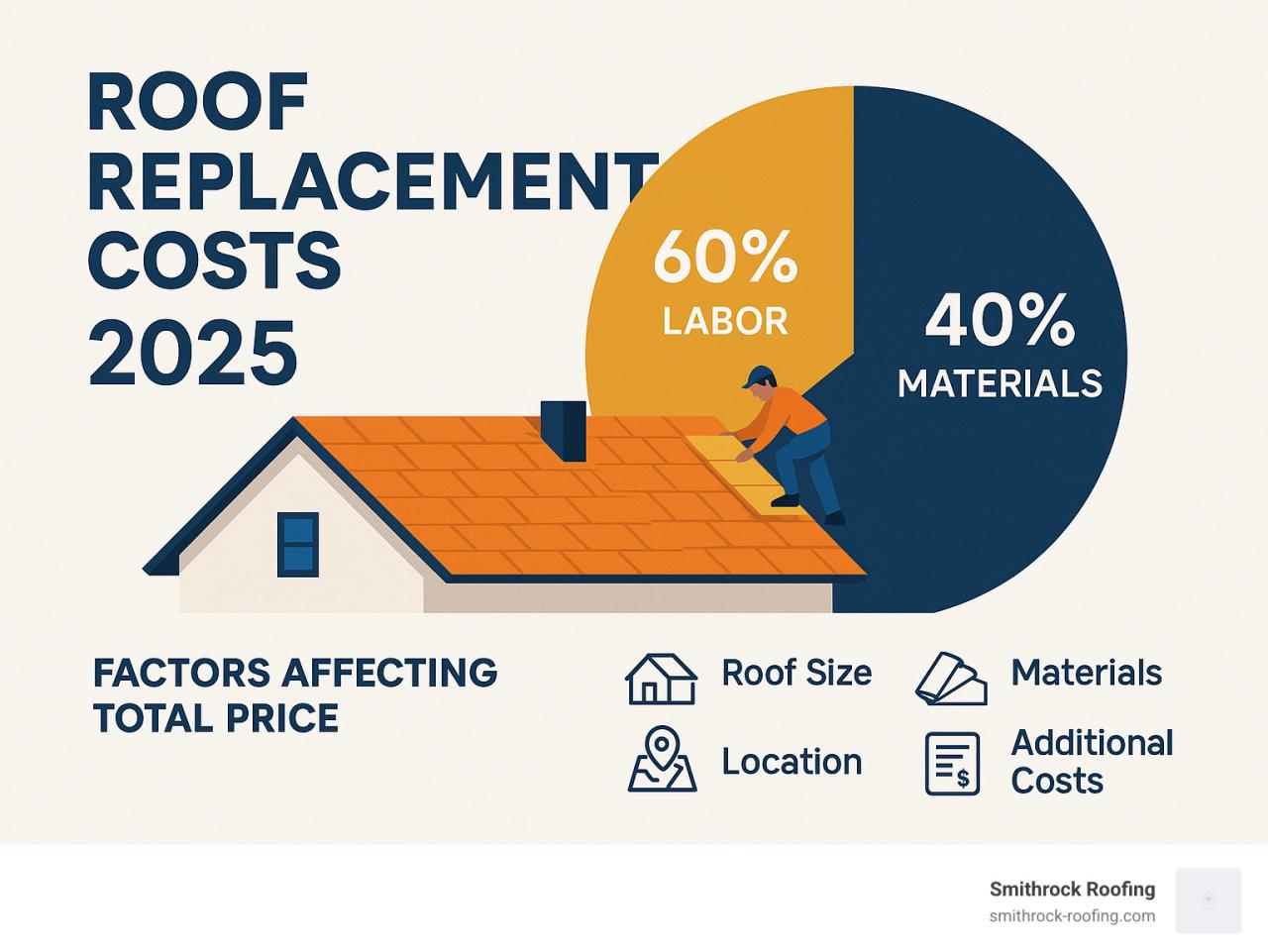
When considering the cost of a roof replacement, several key factors come into play that can significantly impact the overall expense. Understanding these factors is essential for homeowners looking to budget for this important home improvement project.
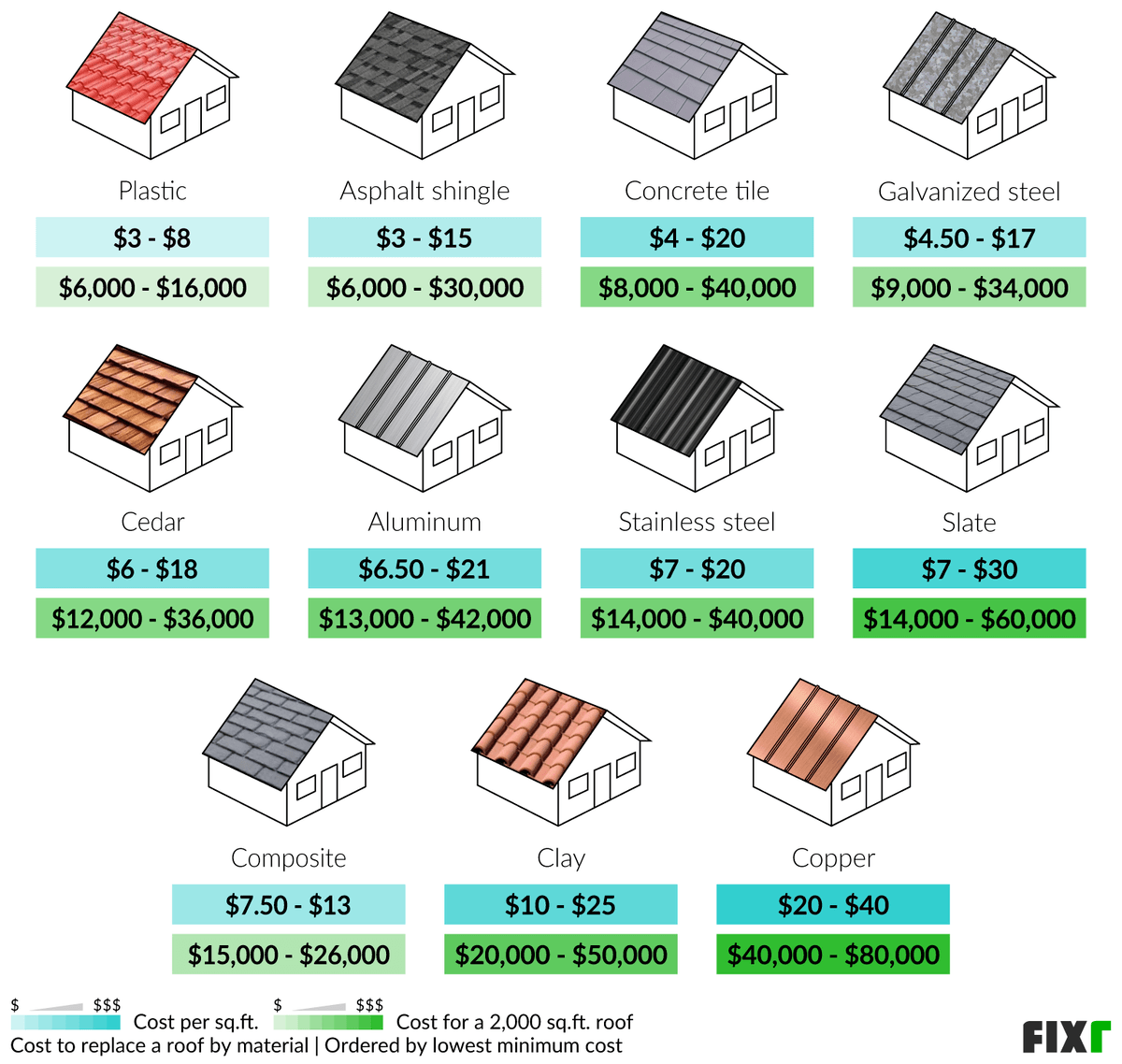
The type of roofing material you choose can have a major impact on the cost of a roof replacement. Materials such as asphalt shingles are generally more affordable compared to options like metal or slate. However, keep in mind that higher quality materials may come with a higher upfront cost but offer greater durability and longevity.
The size of your roof is another crucial factor in determining the replacement cost. Larger roofs will require more materials and labor to complete the project, leading to higher overall expenses. It’s important to accurately measure your roof size to get an estimate that aligns with your budget.
Labor costs play a significant role in the total expense of a roof replacement. Factors such as the complexity of the job, the experience of the roofing crew, and the local labor market can all impact labor costs. It’s essential to research and compare quotes from different contractors to ensure you’re getting a fair price for the work.
The pitch or slope of your roof can also affect the replacement cost. Steeper roofs require more safety precautions and may be more challenging to work on, potentially increasing labor costs. Additionally, certain roofing materials may be better suited for roofs with a specific pitch, impacting material costs as well.
The accessibility of your roof can impact the cost of replacement. If your roof is difficult to access or requires special equipment for the installation process, this can result in higher labor costs. Factors such as the height of the roof, obstacles blocking access, and the need for additional safety measures can all influence the overall expense.
Local building codes and regulations can also play a role in determining the cost of a roof replacement. Certain areas may have specific requirements for roofing materials, installation methods, and permits, all of which can add to the total expense.
It’s important to work with a contractor who is familiar with local regulations to ensure compliance and avoid any unexpected costs.
When considering roof replacement cost, the choice of roofing material plays a significant role. Different types of roofing materials come with varying costs, durability, lifespan, and maintenance requirements. Let’s explore the options available and how they can impact the overall replacement cost.
Asphalt shingles are one of the most common roofing materials due to their affordability. They are relatively inexpensive compared to other options, making them a popular choice for homeowners on a budget. However, asphalt shingles have a shorter lifespan compared to other materials, typically lasting around 20-30 years.
They also require regular maintenance and may need to be replaced sooner than other options.
Metal roofing is known for its durability and longevity. While metal roofs may have a higher upfront cost compared to asphalt shingles, they can last 50 years or more with minimal maintenance. This long lifespan and durability make metal roofing a cost-effective option in the long run, despite the initial investment.
Tile roofing, such as clay or concrete tiles, is a durable and aesthetically pleasing option for homeowners. While tile roofs can be more expensive to install initially, they have a lifespan of 50 years or more and require little maintenance.
The longevity and durability of tile roofing can offset the higher upfront cost over time.
Wood shakes offer a natural and rustic look to a home but come with a higher price tag compared to asphalt shingles. While wood shakes can last around 30 years with proper maintenance, they are more susceptible to damage from elements like moisture and pests.
This may result in higher maintenance costs over time compared to other roofing materials.
When it comes to replacing a roof, various costs come into play, including labor, materials, permits, and disposal. Each component contributes to the overall cost of the project, and understanding the breakdown can help homeowners budget effectively for their roof replacement.
Labor costs typically account for a significant portion of the total cost of roof replacement. Roofing contractors charge for their time and expertise, which can vary based on factors such as the size of the roof, complexity of the job, and the contractor’s experience.
On average, labor costs can range from $1,000 to $3,000 or more, depending on these factors.
The cost of materials is another key consideration when budgeting for a roof replacement. The type of roofing material chosen will impact the overall cost, with options ranging from asphalt shingles to metal roofing to clay tiles. On average, materials costs can range from $5,000 to $15,000 or more, depending on the quality and type of material selected.
In many areas, obtaining a permit for a roof replacement is required by local building codes. Permit costs can vary depending on the location and the extent of the project but typically range from $100 to $500. It is essential to factor in permit costs when budgeting for a roof replacement to avoid any delays or fines.
Disposal costs refer to the expenses associated with removing and disposing of the old roofing materials. This cost can vary based on the size of the roof and the amount of debris generated during the replacement process. On average, disposal costs can range from $500 to $1,500.
The overall cost of roof replacement can also be influenced by geographical location and market trends. In areas where labor and materials are more expensive, such as urban areas or regions with high demand for roofing services, the cost of replacement is likely to be higher.
Market trends, such as fluctuations in material costs or availability, can also impact the overall cost of a roof replacement project.
When it comes to replacing your roof, there are several strategies you can implement to reduce costs without compromising quality. From scheduling the replacement during off-peak seasons to negotiating with contractors and suppliers, these tips can help you save money on your roof replacement project.
Scheduling your roof replacement during off-peak seasons, such as late fall or early spring, can lead to cost savings. During these times, contractors are less busy, and you may be able to secure better deals on materials and labor. Additionally, you may avoid peak pricing that often occurs during the busy summer months.
When it comes to negotiating with contractors and suppliers, communication is key. Be upfront about your budget and ask for detailed estimates. Compare quotes from multiple providers and don’t be afraid to negotiate for better prices. You can also discuss using alternative materials or exploring cost-effective solutions to bring down the overall cost.
If you have the skills and tools, consider taking on some of the work yourself. You can save money by handling tasks like removing the old roof or preparing the site before the professionals come in. However, make sure you are comfortable with the tasks and safety precautions involved to avoid any costly mistakes.
Regular maintenance can extend the lifespan of your roof and help you avoid premature replacement. Simple tasks like cleaning gutters, inspecting for damage, and repairing minor issues can prevent larger, more expensive problems down the line. By staying proactive with maintenance, you can save money in the long run.
While energy-efficient materials may have a higher upfront cost, they can lead to long-term savings on your energy bills. Consider investing in materials like cool roofs, solar panels, or reflective coatings that can reduce your heating and cooling costs over time.
These materials can also increase the value of your home and appeal to eco-conscious buyers if you decide to sell in the future.
What factors can impact roof replacement cost?
Factors such as material choice, roof size, labor costs, roof pitch, accessibility, and local regulations can all influence the overall expense of a roof replacement.
What are the cost implications of different roofing materials?
Asphalt shingles, metal roofing, tile, and wood shakes vary in cost, durability, lifespan, and maintenance requirements, all impacting the replacement cost.
How can geographical location and market trends affect roof replacement costs?
Geographical location and market trends play a significant role in determining the overall cost of roof replacement, influencing labor, material prices, and overall expenses.
What are some cost-saving tips for roof replacement?
Scheduling replacements during off-peak seasons, negotiating with contractors, and suppliers, and exploring financing options can all help reduce the overall cost of a roof replacement project.