Home Insurance Roof Replacement: Everything You Need to Know
When it comes to home insurance, roof replacement plays a crucial role in safeguarding your property. From understanding the importance of roof replacement to exploring coverage options, this topic delves into the intricate details that every homeowner should be aware of.
Delving into the factors affecting home insurance roof replacement, the discussion sheds light on key considerations that influence the need for a new roof. Additionally, a detailed look at coverage options and steps for filing a roof replacement claim provides a comprehensive guide for navigating this aspect of home insurance.

Roof replacement plays a crucial role in home insurance coverage as it directly impacts the structural integrity of the property and the safety of its inhabitants. A damaged roof can lead to a variety of issues, making it essential for insurance policies to cover roof replacement.
When it comes to home insurance and roof replacement, several key factors can influence the need for replacement and impact the insurance coverage related to it.
The age of the roof is a significant factor that can affect insurance coverage for roof replacement. Older roofs are more prone to damage and deterioration, leading to a higher likelihood of needing replacement. Insurance companies may consider the age of the roof when determining coverage, as older roofs are often seen as higher risks for potential claims.
The type of roofing material used can also have an impact on the insurance claim process. Different roofing materials have varying levels of durability and longevity, which can affect how likely they are to need replacement. For example, metal roofs tend to last longer than asphalt shingle roofs, which may result in different coverage options and premiums from insurance providers.
When it comes to roof replacement in home insurance policies, there are different coverage options available to homeowners. Understanding the differences between actual cash value (ACV) and replacement cost value (RCV) coverage is crucial in determining the extent of coverage for roof replacement.
Additionally, the deductible amount chosen can also have a significant impact on the coverage provided.
This can impact the overall cost of roof replacement and the amount that the insurance company will reimburse.
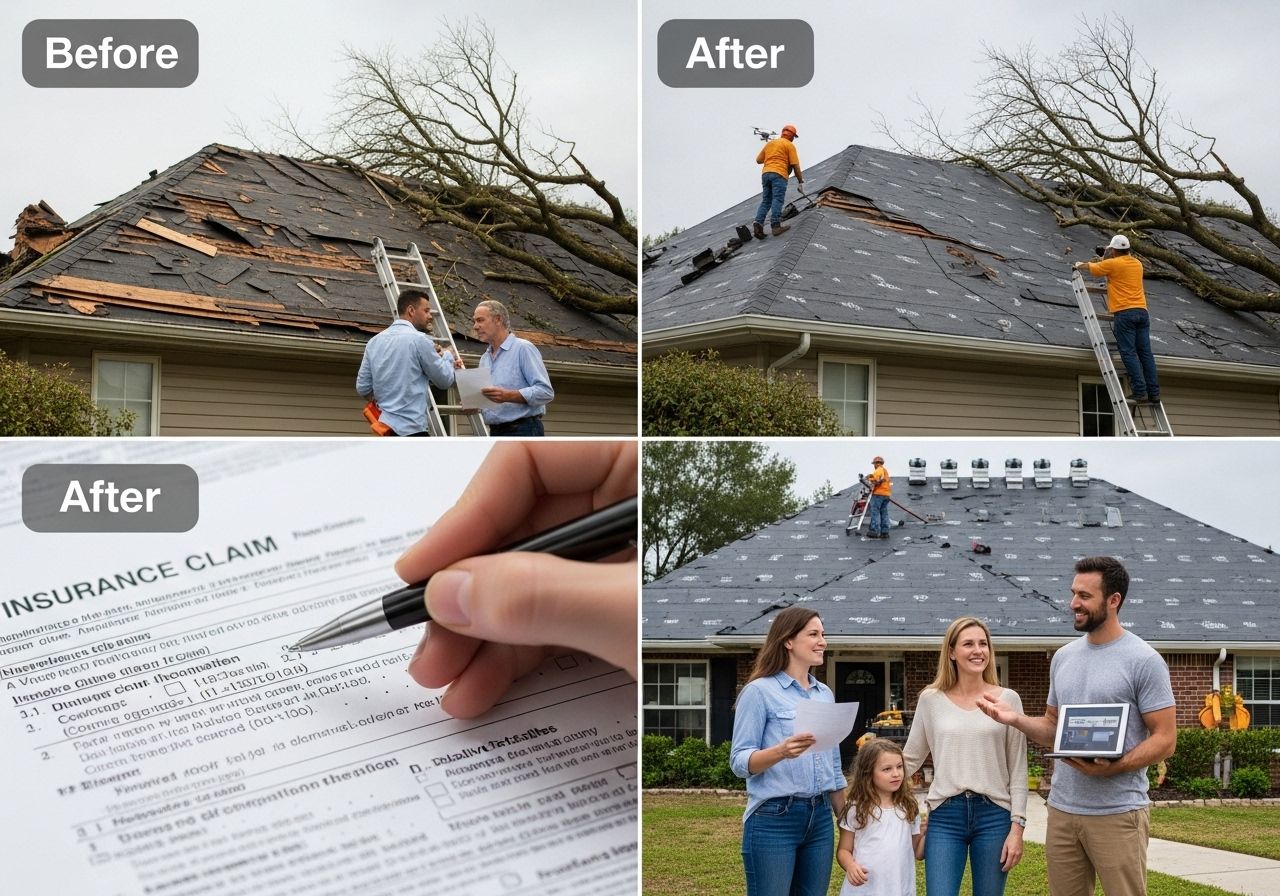
When it comes to filing a roof replacement claim, there are several important steps that homeowners need to take to ensure a smooth process and maximize their chances of approval. From documenting the damage to working with insurance adjusters, each step plays a crucial role in getting your roof replaced.
What factors can influence the need for roof replacement in home insurance?
Factors such as age of the roof, type of roofing material, and extent of damage can all impact the necessity for roof replacement in home insurance.
What is the difference between actual cash value (ACV) and replacement cost value (RCV) coverage?
Actual cash value coverage reimburses based on the current value of the roof, while replacement cost value coverage reimburses the cost of replacing the roof without depreciation.
What steps should a homeowner take when filing a roof replacement claim?
Homeowners should document the damage, contact their insurance company, schedule an inspection, and gather necessary documentation to support their claim.
How do deductible amounts influence coverage for roof replacement?
The deductible amount is the portion of the claim that the homeowner is responsible for paying. Choosing a higher deductible can lower insurance premiums but will require the homeowner to pay more out of pocket in the event of a claim.